


Have you ever heard a song that resonated with you?
Maybe it made you feel sad or angry, or it made you want to dance. Maybe it helped you get in touch with emotions you didn’t know others also felt.
That is the role music plays in most people’s lives. While seeking to better connect with their audience, musicians become more open and vulnerable.
Every facet of the arts has infamous stories of entertainers snapping under the pressure of public perception, but there’s something about music and the connection it creates.
It turns the art form into a double-edged sword that makes audiences feel like they know musicians, when they don’t know them at all. There’s usually a tradeoff involved with these connections, where the artist’s personal needs are ignored.
The tabloid era was notorious for terrorizing celebrities. Stars like Miley Cyrus and Amanda Bynes have lived their entire lives under the public eye thanks to their careers as child actresses. That excessive attention has followed them through the bitter drama of their adult lives.
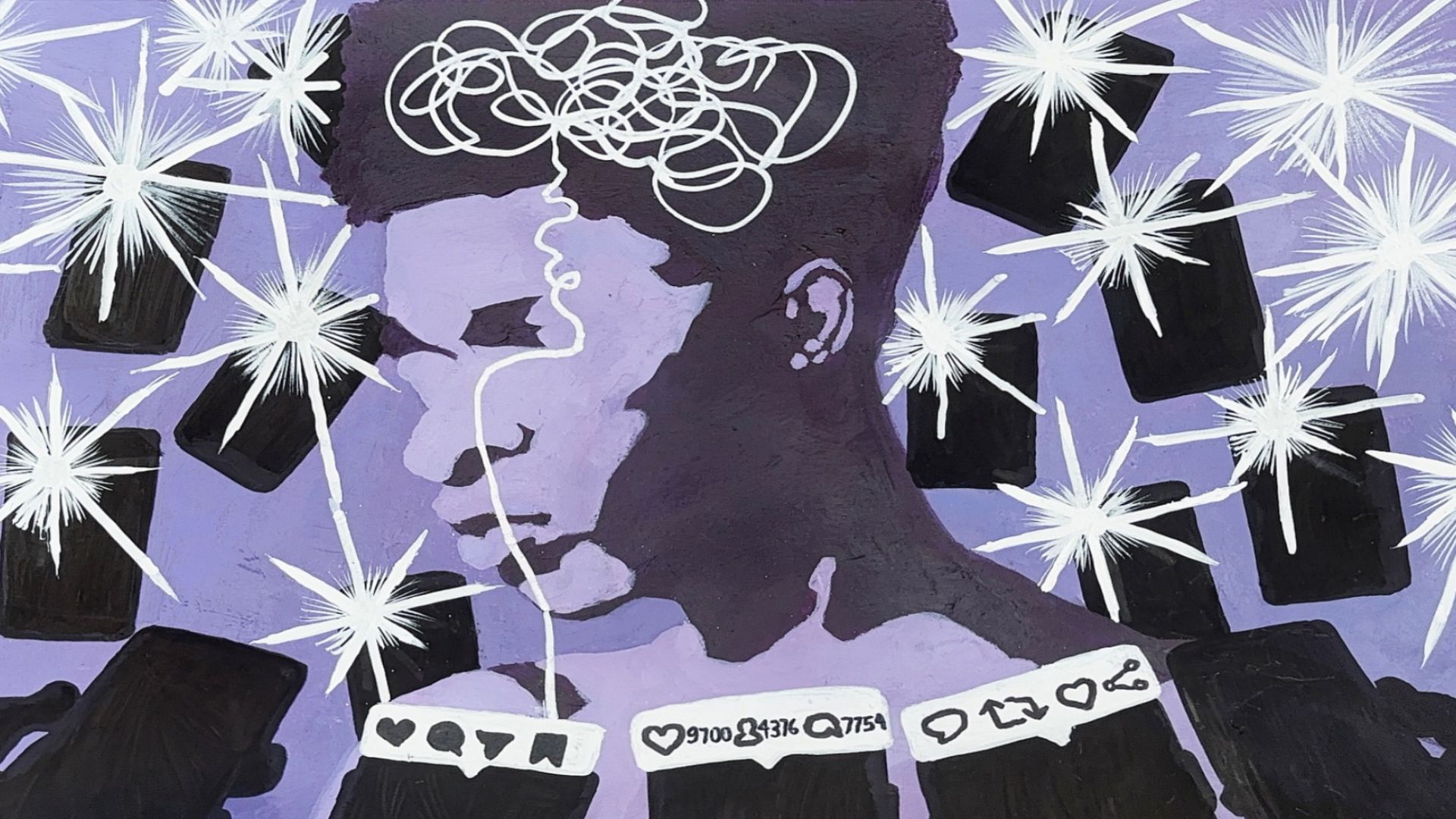
This issue has only worsened with the rise of social media. Audiences are now able to keep up with what’s going on in celebrities’ private lives and share their uninformed opinions about it.
On Aug. 22, rapper Lil Nas X made headlines after a video of him in the streets of Los Angeles, ranting and posing in his underwear, went viral.
On the internet, many assumed it was a drug-fueled breakdown and decided to respond to the incident with jokes and speculation about the events that led up to the moment.
Some went as far as to condemn him, using the dark episode as proof of the depraved lifestyle of the Montero singer.
Others dismissed it as nothing more than a publicity stunt—accusations similar to those hurled at Britney Spears during her infamous head-shaving incident in 2007.
In an article in Complex Magazine, Lil Nas X’s father, Robert Stafford, denied the rumors that the rapper was on drugs during the episode. The fact that a narrative can be built, spread and discussed as fact so quickly is frightening.
Curiosity and speculation are natural for those in the public eye, but the truth is that artists are not as far removed from the public as they once were.
Back in the day, you’d have to go out of your way to buy a tabloid to keep up with the gossip.
Now, this kind of drama is extremely accessible. I can only imagine how damaging it is to be exposed to the opinions of millions of strangers on the internet.
Anyone with a smartphone can now break a news story and become one if they are caught doing something newsworthy on camera.
My question is, do we lose access to common decency the minute people find us entertaining?