


In the Middle Ages, the average life expectancy was 30-40 years. Humanity struggled to survive because it faced lethal obstacles: plagues, poor hygiene, wars and low quality of life.
Throughout the centuries, gradual improvements—greater food supply, better working conditions and advancements in medicine—transformed the human lifespan. We went from barely reaching 40 to living well into our 60s and beyond.
That progress led to a new question. Why do some people who reach old age maintain sharp minds and healthy bodies while others who are younger battle hypertension, Alzheimer’s, diabetes or cancer?
The answer, though simple, opens a window of uncertainty: some people age better than others.
Today, the future has arrived.
Scientific research in fields such as genetics, gerontology and biotechnology are rapidly developing technologies that not only can advance our understanding of the aging process but also influence its course.
In August, researchers from the University of Colorado Boulder—a public research institution with more than 150 fields of study, including space exploration in partnership with NASA—published findings that shed new light on the biological controversy.
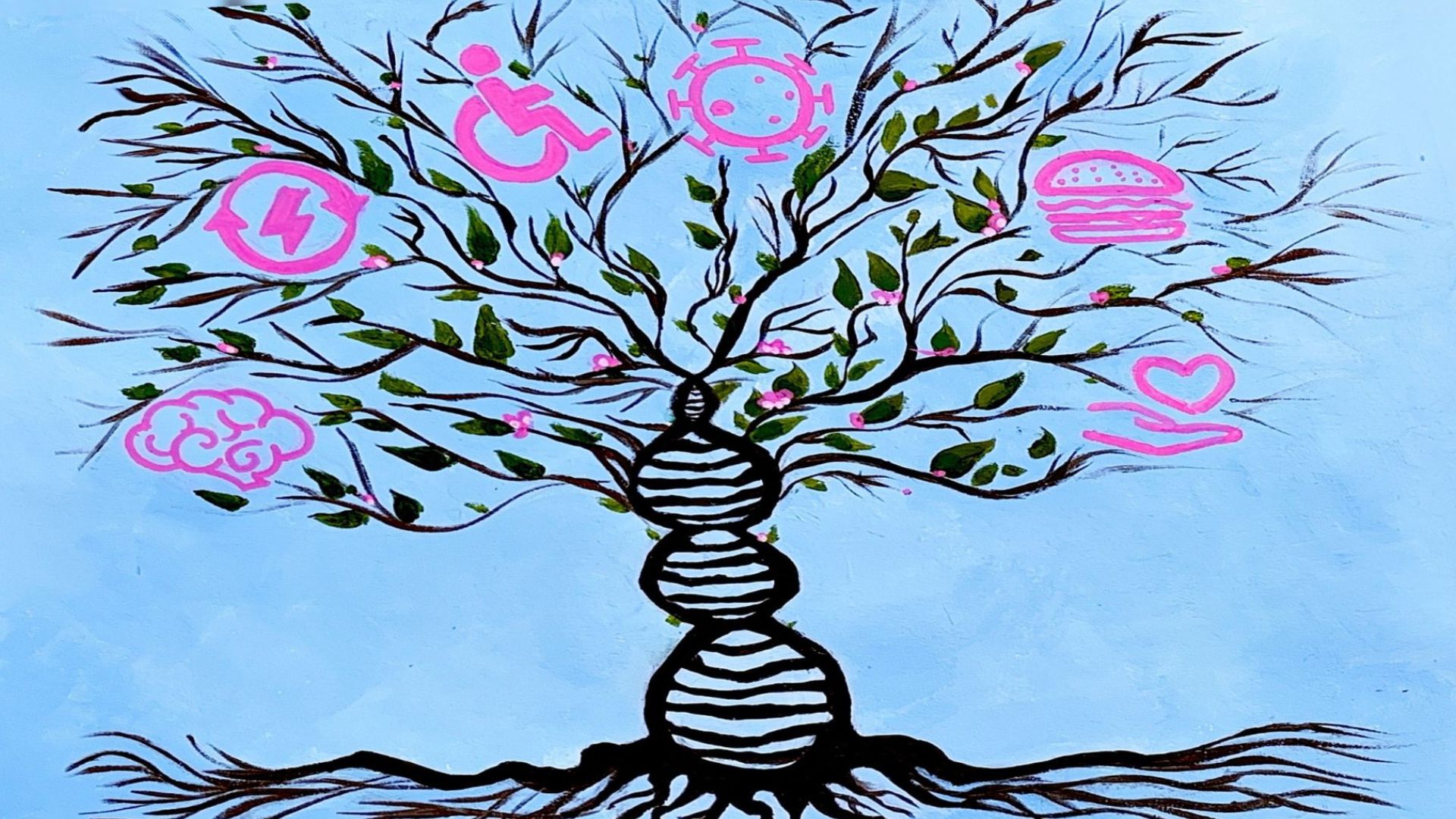
The team identified more than 400 genes associated with accelerated aging across seven different sub-types, revealing that different genetic groups carry different forms of disordered aging. These subtypes are tied to cognitive decline, mobility loss and metabolic deterioration.
Findings widely support the geroscience hypothesis, which proposes that to delay or prevent the development of chronic illnesses in human organisms, we must first understand the biological process of aging itself.
The study focuses on aging through the lens of frailty or what researchers called “accelerated aging” —defined as a multisystem physiological decline most commonly associated with older people.
Nearly half the adults in the United States older than 65 are considered frail due to their health conditions. But, fragility within this age range is not a singular state; it manifests in different variations, each shaped by environmental and genetic factors.
Isabelle Foote, a postdoctoral associate at CU Boulder’s Institute for Behavioral Genetics and co-author of the investigation, witnessed this complexity firsthand while working as a nurse at an elder care facility.
Her experience revealed that while some individuals remain resilient throughout the years, others deteriorate at earlier stages.
An in-depth analysis of the DNA and health data discovered 408 genes that act as precursors of fragility, causing disability, poor cognition, metabolic problems and multiple diseases.
For example, the Specificity Protein 1 (SP1) gene, a key regulator of aging, cellular growth and disease progression, is strongly associated with the broad “poor cognition” subtype. Similarly, the FTO gene, known for its link to obesity, also seemed to be part of different categories of unhealthy aging.
What makes these findings so exciting is their potential to reshape how we approach aging and longevity.
By identifying how to manipulate these genetic components tied to fragility, researchers can develop new personalized therapies depending on the biology of the person.
If these discoveries lead to medical breakthroughs, the future could be radically different worldwide.
People who are 90 may no longer be dependent on the younger generations to sustain them. Instead, they could remain socially engaged and physically active, living with a vitality that defies traditional life expectancy.