


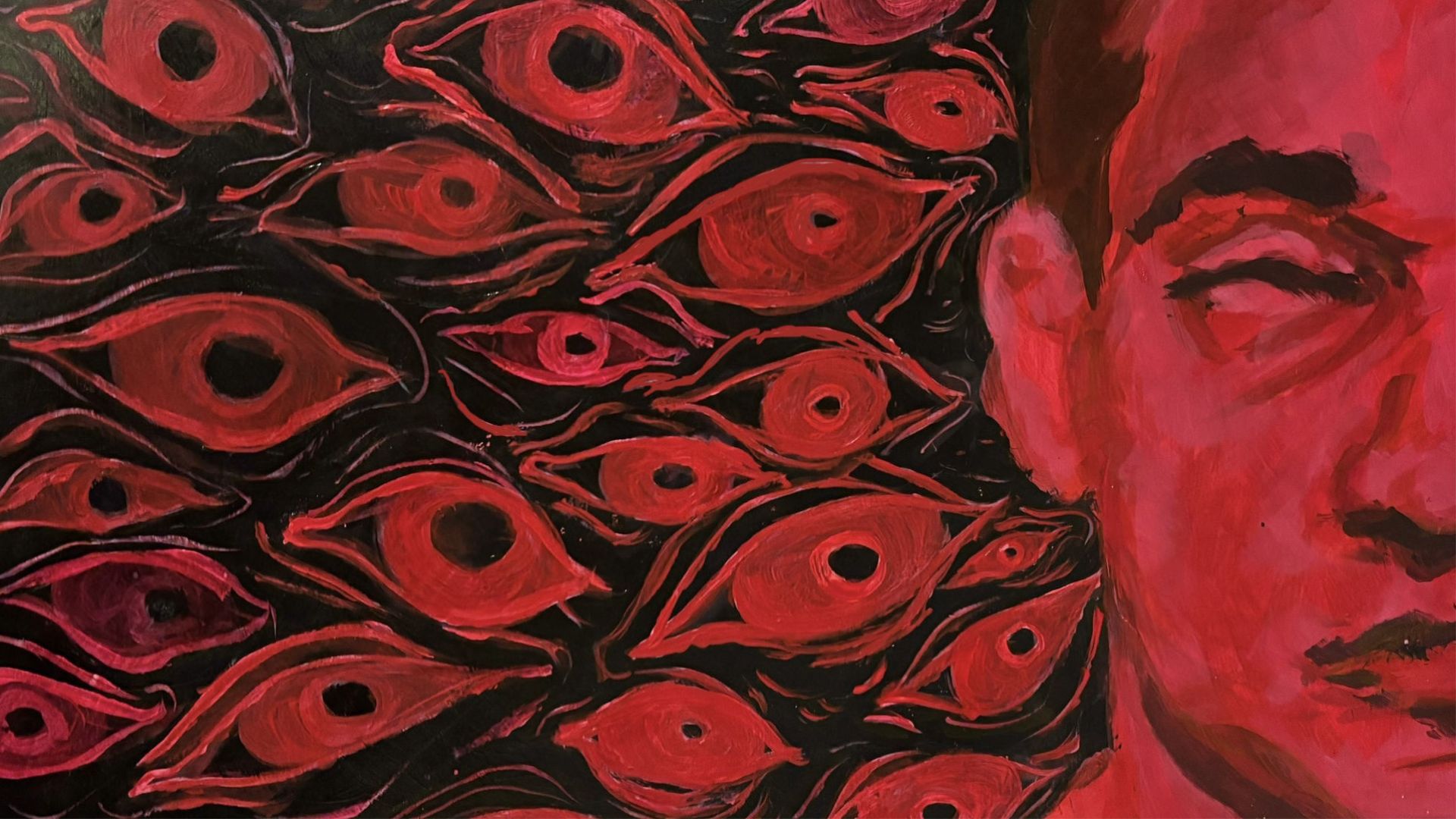
The horror genre has always been a place where the idea of being othered has been explored.
In stories as old as Mary Shelley’s Frankenstein, the fear of being treated like an outsider and having society fear you—despite being monsters themselves—is a theme that resonates with most real-life marginalized communities.
So, it isn’t surprising that so many people from those communities’ flock to the genre. That trend continues in 2025.
In films like The Substance and Sinners, the core of their characters’ struggle to find ways to thrive and with influences from more diverse voices behind the scenes, they bring with them another layer to the typical man vs. society story.
Using the lived experiences of those whose safety and security often depends on their ability to mask and appease to those in the social majority, this can create a hypervigilance that can grow into full-blown paranoia in a horror setting when a character needs to feel like the odd one out, but any acknowledgment of it can result in danger.
Those ideas are not unfamiliar to projects under MonkeyPaw Productions, with popular films like Get Out and Us creating an often-imitated style that taps into the anxiety of trying or the threat of failing to fit into a racial or class system.
That often comes off as shallow when the implications are not taken into consideration in the story, making it feel like a poor attempt at being deep.
MonkeyPaw’s 2025 release HIM is the story of Cameron Cade, a young, injured football player finding out how much he’s willing to sacrifice for success while training under his idol Isaiah White and occultist hijinks ensue.
The film brings up the issues of toxic masculinity and race relations associated with football by having characters directly state facts or statistics to the viewer. It doesn’t really focus on how these problems affect Cade’s decisions and instead opts for typical horror movie tropes like jump scares. This made HIM a pretty forgettable viewing experience.
Toni Morrison’s 1987 gothic horror story Beloved tackles the same topic of feeling dehumanized in a world you aren’t supposed to belong in.
It’s a story that takes place post-slavery, about a woman, Sethe, and her youngest daughter who are being haunted by the ghost of her first-born daughter. The details of the death are danced around until you get sucked in deeper.
The story’s main male character, Paul D., has memories of constant escape from slavery and recapture that haunt him. Even though the threat of slavery no longer exists, his trauma creates a paranoia that colors every decision he makes, as he tries and fails to rebuild his life with Sethe.
His autonomy has been stripped from him for so long that he can no longer function like a normal human being. Those same fears and memories become a figurative ghost that keeps him moving, just as Sethe’s actual ghost keeps her from leaving her home or letting anyone in.
So why does a story from the ’80s resonate more than one from this year, even though they’re covering the same topics?
Maybe it’s because in these types of stories, the external threats aren’t just trying to rip you to pieces—they want to control your actions with paralyzing anxiety that makes you hurt yourself, before they strip you of everything that makes you unique to make you fit in.