


For more than two decades, Hollywood has been obsessed with the idea of legacy as it pertains to musicians.
From 2004’s Oscar-nominated Ray, featuring Jamie Foxx as legendary pianist Ray Charles to 2018’s Bohemian Rhapsody, the content has been nonstop.
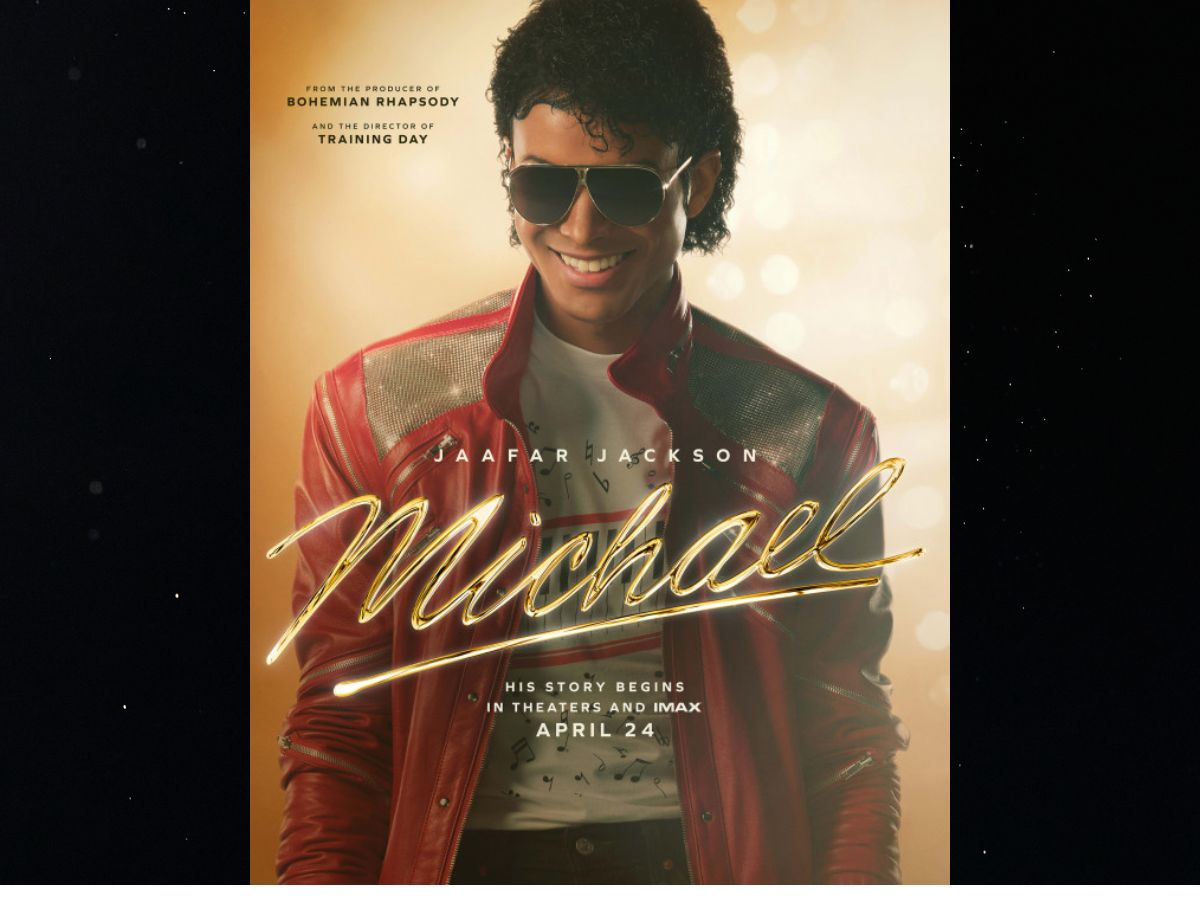
Michael, directed by Antoine Fuqua (Training Day, The Equalizer) is the latest of these music biopics. The film, which had a budget of around $200,000,000, has grossed more than $800,000,000, making it one of the highest earning biopics in history.
The movie’s production was marred by heavy criticism from Michael’s daughter, Paris Jackson, and by the discovery that one of the pop star’s child sexual molestation accusers was legally prohibited from being represented in films made by Jackson’s estate.
Initially, Michael was supposed to center around what led up to Michael Jackson’s child sexual abuse allegations and the fallout, but this discovery led to extensive rewrites and reshoots that resulted in the film’s opening, as well as its third act, being completely remade.
The scramble to reconstruct the ending of a movie that had been mostly completed could be why the finished product feels so lifeless and unmotivated.
Most of the characters in the movie fall flat and have no real desire guiding them. Michael Jackson reveals all of his wants and needs to the audience by stating them not-so-indirectly to the camera during random scenes that hardly have any payoff.
To be fair, the film presents a vague idea that Jackson wants to be the most famous person in the world because he considers his fans to be his “real” family and he wants to have millions of “family members” so they can give him the love he never received from his father.
However, that idea is never given a conclusion, so what was the point of introducing it? So many of the concepts in this film are barely set up and go nowhere.
Michael is unable to look at a subject deeply because if it did, it would have to explore the dark sides of Jackson’s life: the full extent of his father’s abuse, his antisocial tendencies, his complex relationship with his Blackness and the child sexual abuse allegations made toward him. So rather than dive into any of these complexities, the film sanitizes everything.
This surface level approach to storytelling extends to the film’s plot as well. Every scene flies past you with the focus of a foggy window before suddenly skidding to a halt with musical numbers and concert sequences that dramatically slow the pace without ever being properly established.
Michael shines in one place, its musical numbers. The cinematography and editing are great during these sequences only and Jaafar Jackson is so convincing as Michael Jackson that you almost forgot his bizarre performance in all of the dialogue-heavy scenes.
It’s clear that a lot of effort was put into the performances. That makes sense. People watch music biopics with the hope of getting a good story and to see the big show-stopping concert recreations.
The people behind Michael recognized during production that as long as they delivered on that front and preached love, joy and kindness, the movie would be a runaway success.
But Michael Jackson’s legacy is more complicated than that.
He can and should be recognized for his achievements but doing so while ignoring the majority of his flaws is a disservice to Jackson and anyone whose life he ever affected—positively or negatively.