

Have you ever wondered how we learn to pronounce words?
In early childhood, speech emerges as the body strengthens coordination between the lungs, brain, larynx, mouth, tongue and lips. This intricate process allows us to articulate our first words and gradually form sentences.
The spoken language is at the core of communication—a skill we polish based on the basic human necessity to communicate with each other.
A key building component of speech is the phoneme, a unit of speech that distinguishes one word from another.
Fascinated by these mechanisms of human nature, I decided to pursue speech pathology and audiology for my undergraduate studies.
As I’ve delved into research, I became increasingly interested in the growing issue of speech and language disorders in children.
Many of these disorders are rooted in genetic factors. Today, we face a concerning rise in hearing and communication challenges among young children caused by external influences.
The American Speech Language Hearing Association—a national scientific association of language and speech experts—is at the forefront of this battle, providing quality care and innovative assessment.
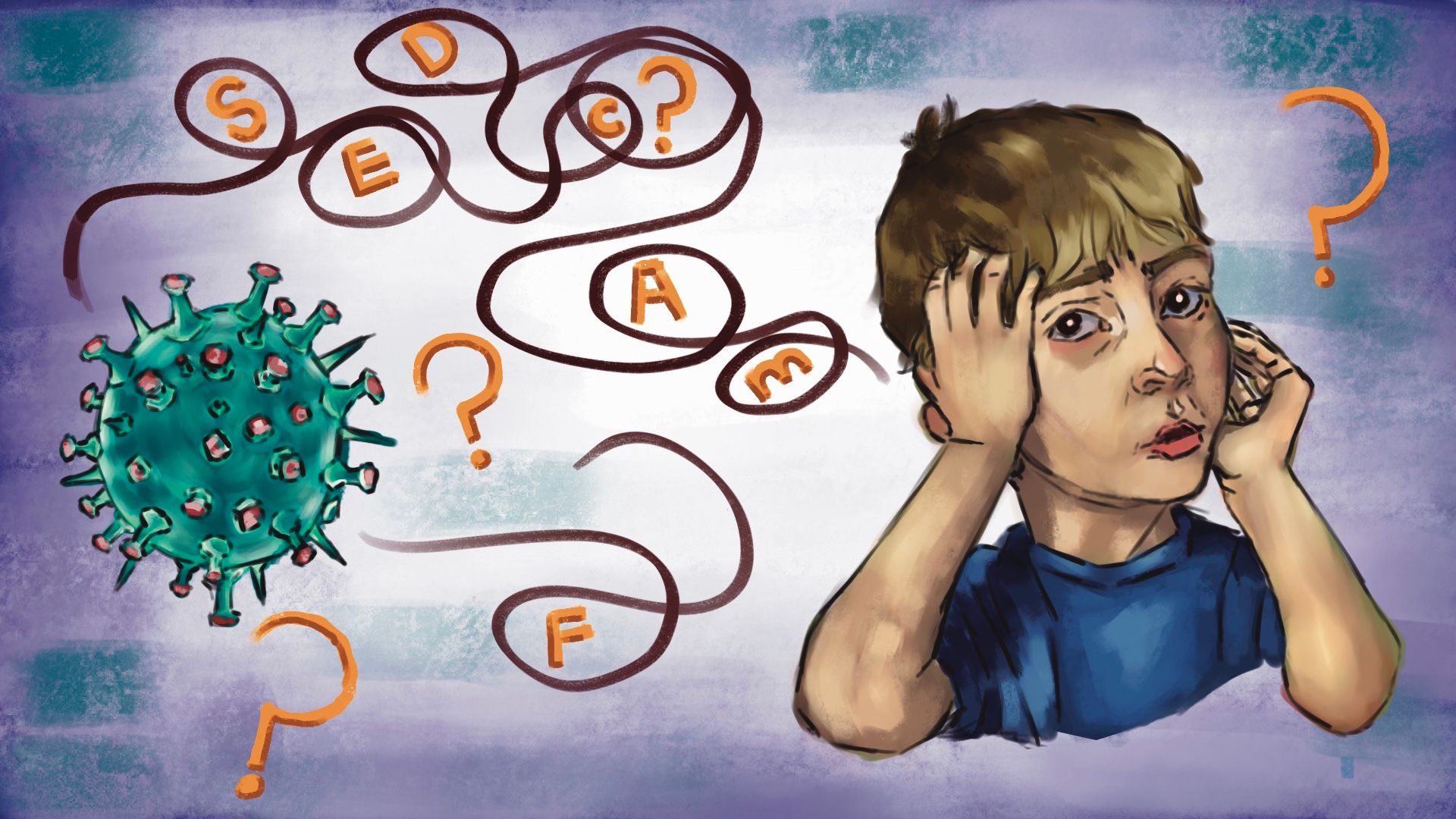
According to ASHA’s 2023 national poll, the COVID-19 pandemic had a lasting impact on children’s health development.
Many parents avoided taking their children for routine check ups, fearing exposure to the virus.
The investigation revealed 75% of audiologists and 62% of speech pathologists reported an exponential amount of children who were not referred to them during the stay-at-home period.
More than 79% of children have delayed language or diagnosed language disorders and 78% experience social communication difficulties compared to pre-pandemic levels.
Time away from school disrupted social interaction, learning and emotional development.
One major concern is the impact of screen time, especially during the crucial developmental ages which are from birth to three years.
Children need real world interactions to develop their locomotor system and vocal cords.
Although it’s unclear whether they understand or not, the impact of speaking to them and holding a conversation has a meaningful impact.
These activities promote cognitive development, foster a lifelong love for reading, build a strong vocabulary for the coming school years and help to create academic attainment.
In 2022, ASHA, in partnership with Screen Time Action Network at Fairplay, formed Be Tech Wise With Toddler! —a platform that provides parental guidance in the age of technology. It mainly focuses on how to manage screentime and technology consumption during the early stages of childhood.
The best advice professionals in the field give to parents is for them to seek help when concerns arise.
Timely intervention aids pathologists in developing a more comprehensive treatment plan and helps children overcome communication challenges.
While there’s greater awareness nowadays, ASHA emphasizes that the greatest challenge truly lies in taking action.
To learn about the early signs of communication disorders and expert recommendations for parents on how to better address it, visit Identify the Signs.