
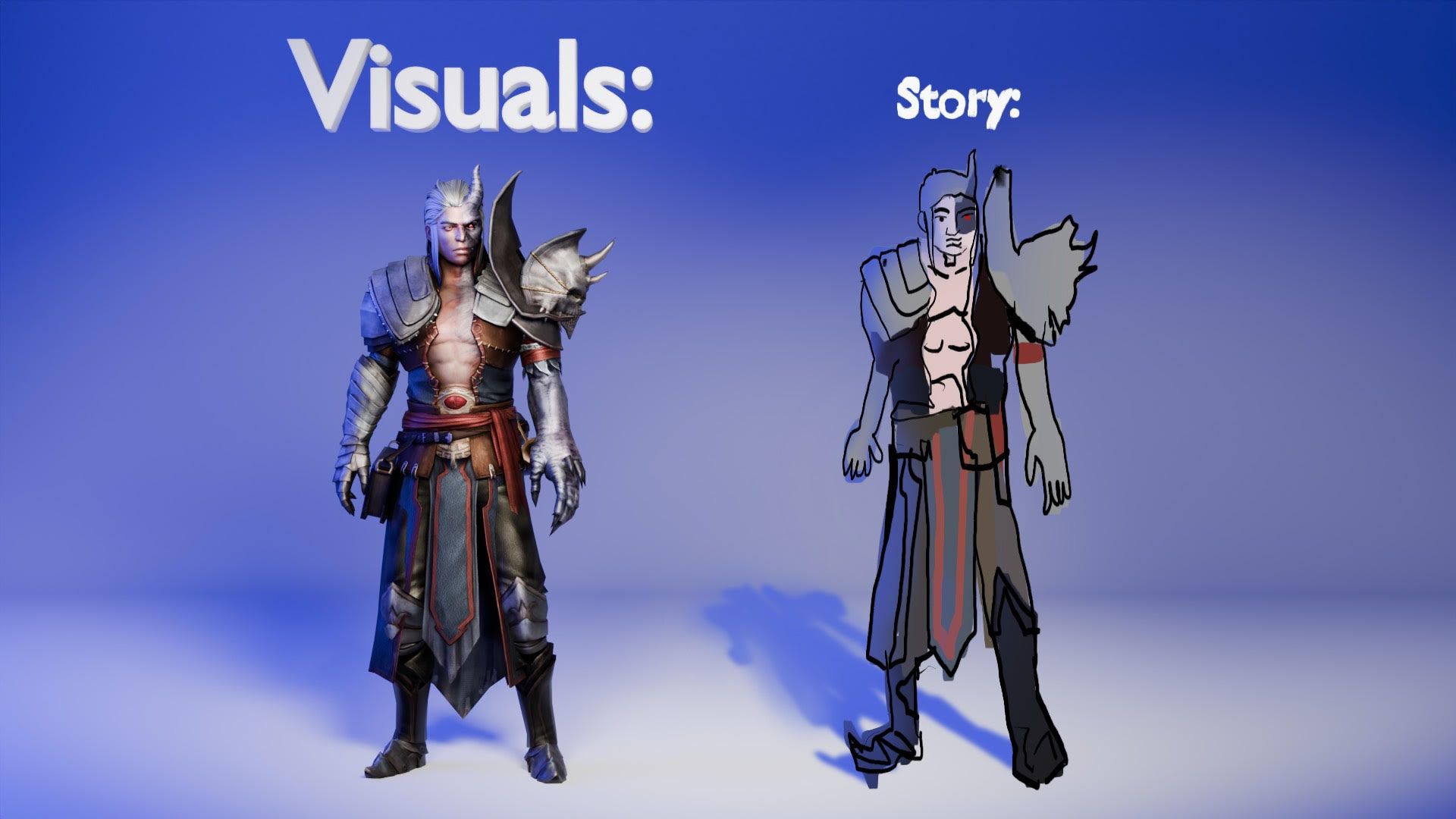
During my childhood, video games were my entire world—I could lose myself for days in other realms, immersed in battlegrounds or on a quest to restore peace.
As I got older, cinema captivated me in a different way. It became my lifeline, a way to find reflection rather than an escape from reality.
Nowadays, both film and gaming have undergone drastic transformations, driven by the emergence of trends that emphasize surface-level beauty.
While technological advancements have improved the content, the rise of aestheticization— hyper-stylized characters and action-driven plots—has become the norm, often overshadowing the complexity and depth that once characterized these mediums.
In mainstream cinema, reboots and sequels have become the new fashion. Films are being visually upgraded but stripped of the original’s commentary and charm.
Take RoboCop for example. The franchise was rebooted in 2014, abandoning the original’s satire and the nuanced character struggles. It became a conventional Hollywood blockbuster.
In the 1987 version, the protagonist, Murphy, is stripped of his humanity when he becomes RoboCop. His journey centers on reclaiming his lost identity.
In the 2014 reboot, the visuals are cleaner and the computer animation is vastly improved upon, but the character lacks emotional depth and is void of a storyline.
Fans of the series are left with a movie that lacks any sort of personality and are left with a movie packed with action.
AAA games—high-budget games developed by major gaming studios—have suffered a similar fate.
A franchise I once adored growing up, the Fallout series, is a great example of this.
Fallout 3, released in 2007, is a role-playing game set in a post-apocalyptic world. Visually, it wasn’t that impressive, even at the time of its release it looked dated.
But the world was so rich in content. There were so many things to do and see, and players could have a different experience with each walkthrough. I felt like I could play it forever.
Eight years later, Fallout 4 was released. I waited in anticipation and was left with disappointment.
Although many of the game’s technical features were improved, the narrative was linear and the role-playing mechanics were streamlined. It was focused more on actions rather than enhancing the skills and abilities of the avatars. That left players with a limited amount of choices.
Beyond those industries, the obsession with superficial beauty and instant gratification is prevalent in almost every facet of modern life. Cars, furniture and clothing are no longer made to last—quantity and volume have replaced quality in value.
Look no further than Amazon, the king of e-commerce. It’s fast and convenient, but many of their products lack any sort of quality. They’re made to be replaced.
As society continues to cater to fast-paced consumption, my only hope is that we recognize the cost and choose instead to value endurance and quality.
Progress should never come at the expense of what makes us human: tradition, meaning and emotional depth.