
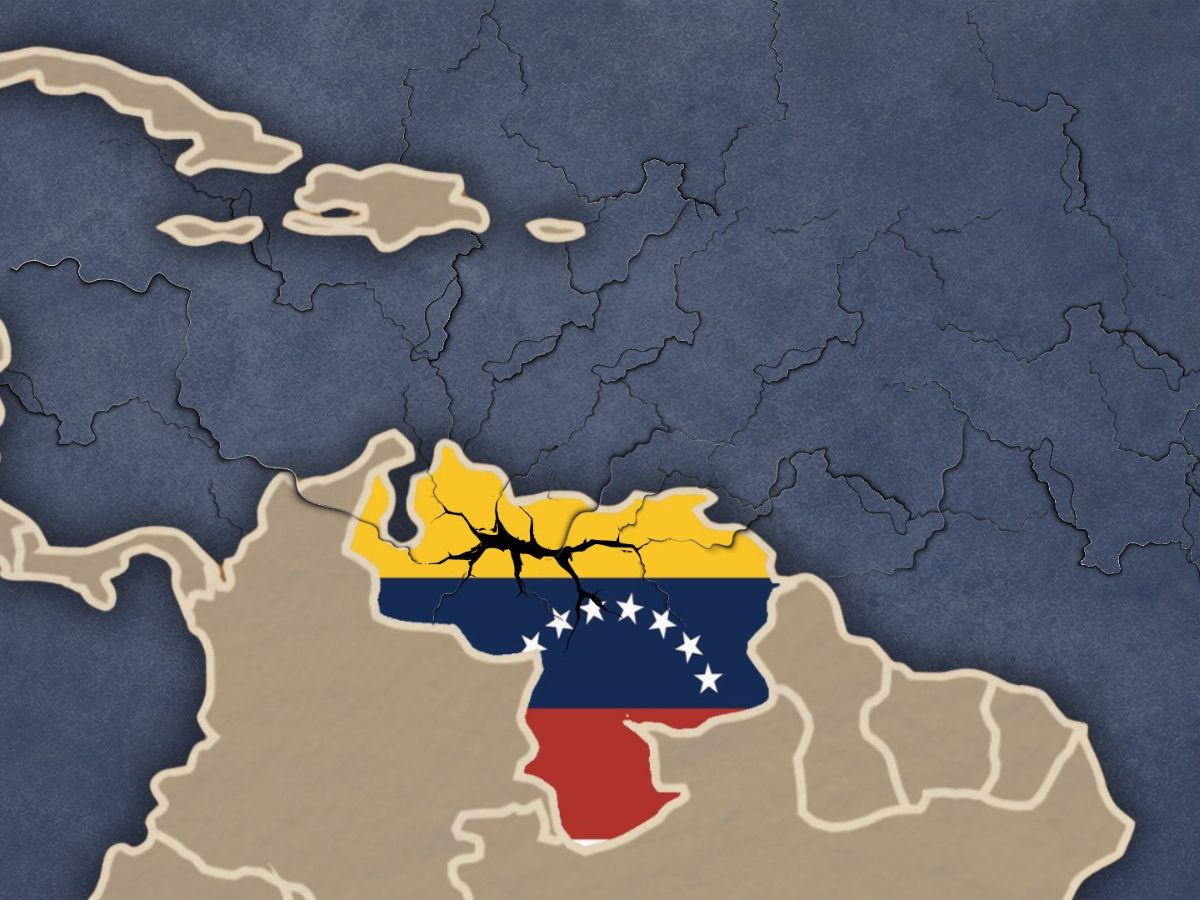
On June 24, Venezuela, an already struggling country, faced one of the deadliest disasters in its history. Two powerful earthquakes struck multiple regions including the capital city of Caracas, causing severe destruction.
Moments before the incident, life was carrying on as usual, but within seconds, the ground began to shake, buildings collapsed and entire neighborhoods were reduced to rubble.
Venezuelans reportedly had just 38 seconds to seek safety. Some managed to escape. Many others remained trapped beneath collapsed structures. According to the Pan American Health Organization, there are 5,398 confirmed deaths, 16,740 people injured and 17,907 displaced.
The South American country had to rely on international assistance to provide first response assistance.
As the disaster unfolded, the initial lack of response brought questions.
Why did emergency efforts appear to take so long to mobilize? Why did several humanitarian organizations report obstacles in delivering aid to the hardest-hit communities?
Social media was flooded with allegations that donations intended for survivors were being diverted or resold by the government and underground organizations.
While many of these claims remain unverified, their rapid spread reflected a deep distrust that many Venezuelans continue to hold toward public institutions and organizations perceived to be linked to the state.
As a Venezuelan, I understand why many citizens find such allegations believable. When I was born, Hugo Chávez was in power.
I grew up in a country where inflation has become a part of everyday life, public education is steadily deteriorating and people have to wait in long lines to buy bread.
I also witnessed a wave of expropriations that peaked around 2010, affecting not only thousands of Venezuelans but also my own family and our business.
But my story is not unusual, at least not in my country. These socioeconomic realities became so commonplace that, at some point, I have to admit that hope for a better future was slowly consumed by the normalization of hardship.
On June 24, my family did not receive a phone call announcing a loved one was missing or found dead. But every time I watch the news, I am reminded of the victims, those who lost a parent, child, brother, sister or friend. I can’t help but wonder whether those in power view these losses with the same sense of humanity.
If there is one undeniable truth, it’s that the scale of the disaster exposed how largely unprepared the country was to confront an emergency. However, the possibility of such a disaster was not unforeseen.
In 2005, the Japan International Cooperation Agency (JICA) warned Hugo Chávez about the country’s seismic vulnerability. The study identified Caracas’ most vulnerable areas and proposed a large-scale infrastructure reinforcement program designed to reduce the impact of a major earthquake. Chávez never moved forward with the plan.
The earthquake left thousands of people without homes or shelter. But we should not forget that behind this tragedy stands a government that, for years, has prioritized its own interests over those of its people. An administration that is, in many ways, responsible for harming the very citizens it is meant to protect.