Are Movie Theaters Headed For Extinction?
Throughout history, society has always had spaces to traverse our human experience.
Whether it be Ancient Greeks in town squares, teenagers at a mall or families at a park, our culture has thrived in art, philosophy and politics thanks to these dedicated areas.
Among the most notable of these are movie theaters. For more than a century, they have served as one of society’s most enduring cultural spaces—from first dates to worldwide movie premieres, cinemas have served a role in our lives.
During the Civil Rights era, films like To Kill a Mockingbird and Black Like Me became fundamental to the exploration of racism and discrimination.
Wartime reels were also shown in movie theaters during world wars, helping to document current events and give a glimpse into life during war.
Almost everyone can recount a time when they were enchanted or moved emotionally at a movie theater. Some would argue they’re integral to the modern human experience.
So when Regal Cinemas announced in 2023 that they would close 39 of their theaters in the U.S., they faced a lot of public backlash.
The company decided to walk back on that announcement, keeping most of their original locations open.
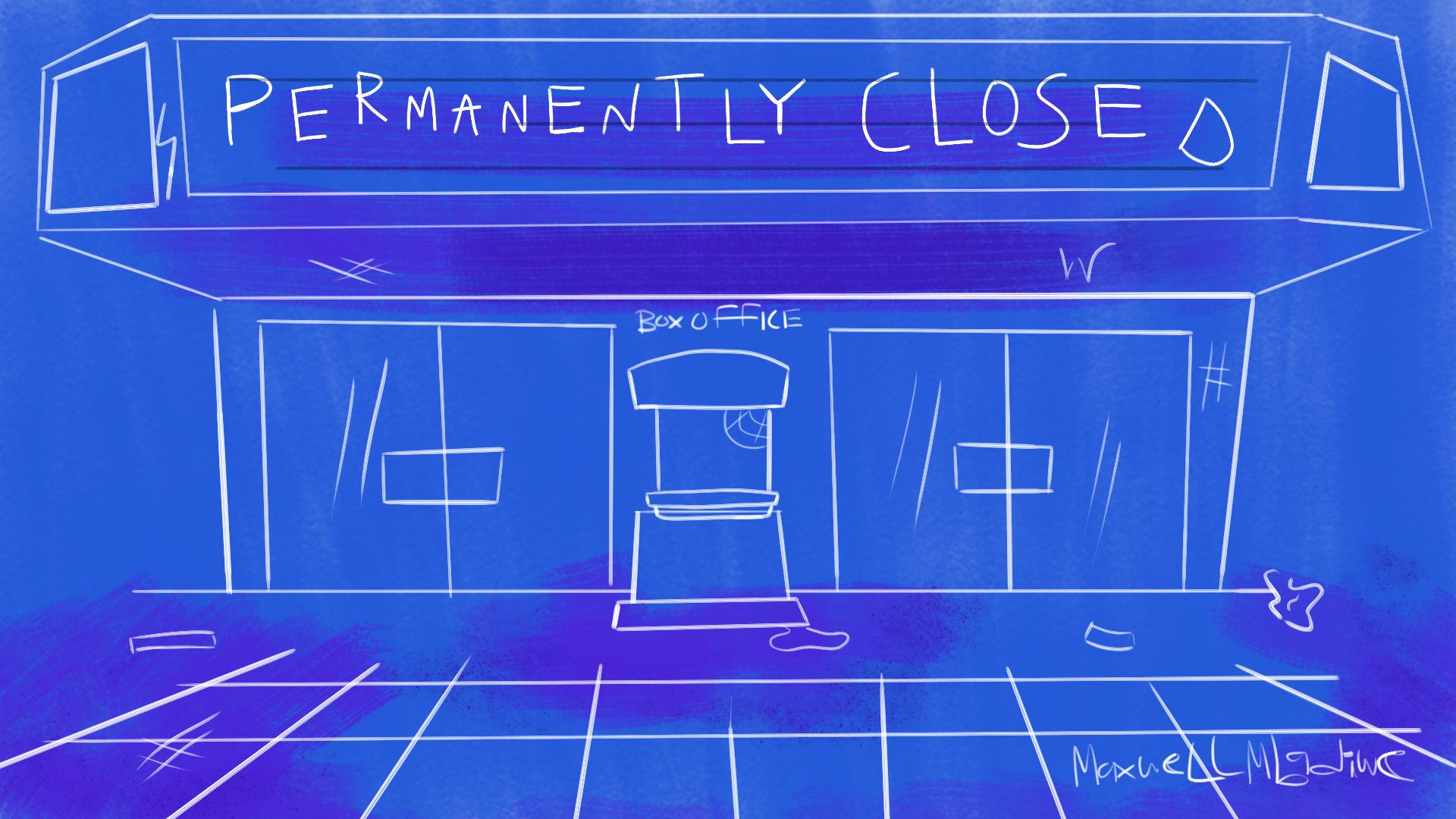
However, early last year, they continued on their mission and began to shut down theaters in major cities—notably, the Regal South Beach 18 theater on Lincoln Road, which closed permanently at the end of September after 26 years.
The shift away from movie theaters is driven by a desire for more control over profit margins, distribution and data.
Economically, streaming platforms remove the costs that many executives associate with physical spaces, such as staffing and long theatrical runs. It also removes revenue data that is available to audiences.
If a film fails at the box office, the entire world will know. If it does well, others who worked on the film want a piece of the pie through backend deals.
Financial agreements for big name casts or crew members almost always depend on how the film does. On streaming, this doesn’t exist since there’s no real way for the public to see these numbers.
The popular streaming service Netflix has come forward as a potential buyer of one of Warner Bros. Discovery, a historic motion picture studio that has a major role in keeping movie theatres alive.
As reported by AP News, politicians have raised concerns that Netflix’s proposed acquisition of Warner Bros. Discovery could reduce competition and face intense antitrust scrutiny from the Department of Justice.
At the center of the acquisition is Ted Sarandos, the CEO of Netflix, who is notorious for his lack of interest in preserving traditional theatrical models. According to Variety Magazine, Sarandos has publicly described the traditional movie theater model as “an outdated concept.” That remark only deepens concerns within a fragile industry.
The real question is, who gets to decide what culture is worth preserving?
That is a serious concern for film and the physical theatre experience worldwide, but especially for cities like Los Angeles, New York and Miami.
In South Florida, whatever film industry we have is anchored by our iconic theaters. With this deal, all of that stands to be dishonored.