How Sonic Youth Influenced The Riot Grrrl Movement
For decades, the punk rock scene was known for being a male-dominated space, defined by rebellious ideals and a rejection of mainstream trends.
Despite this, women managed to carve out a space in this crowd, but not without its challenges. The trailblazers faced violence, sexualization and a lack of support.
In 1991, a group of frustrated female fans held a meeting in Olympia, Washington to talk about the overwhelming amount of misogyny in the punk scene. The meeting marked the beginning of a new culture, characterized by feminist ideals and cut-and-paste zines-–the Riot Grrrl movement.
The attitude of the punk and alternative rockstars, their unique sound and do-it-yourself creativity served as the inspiration for the new culture.
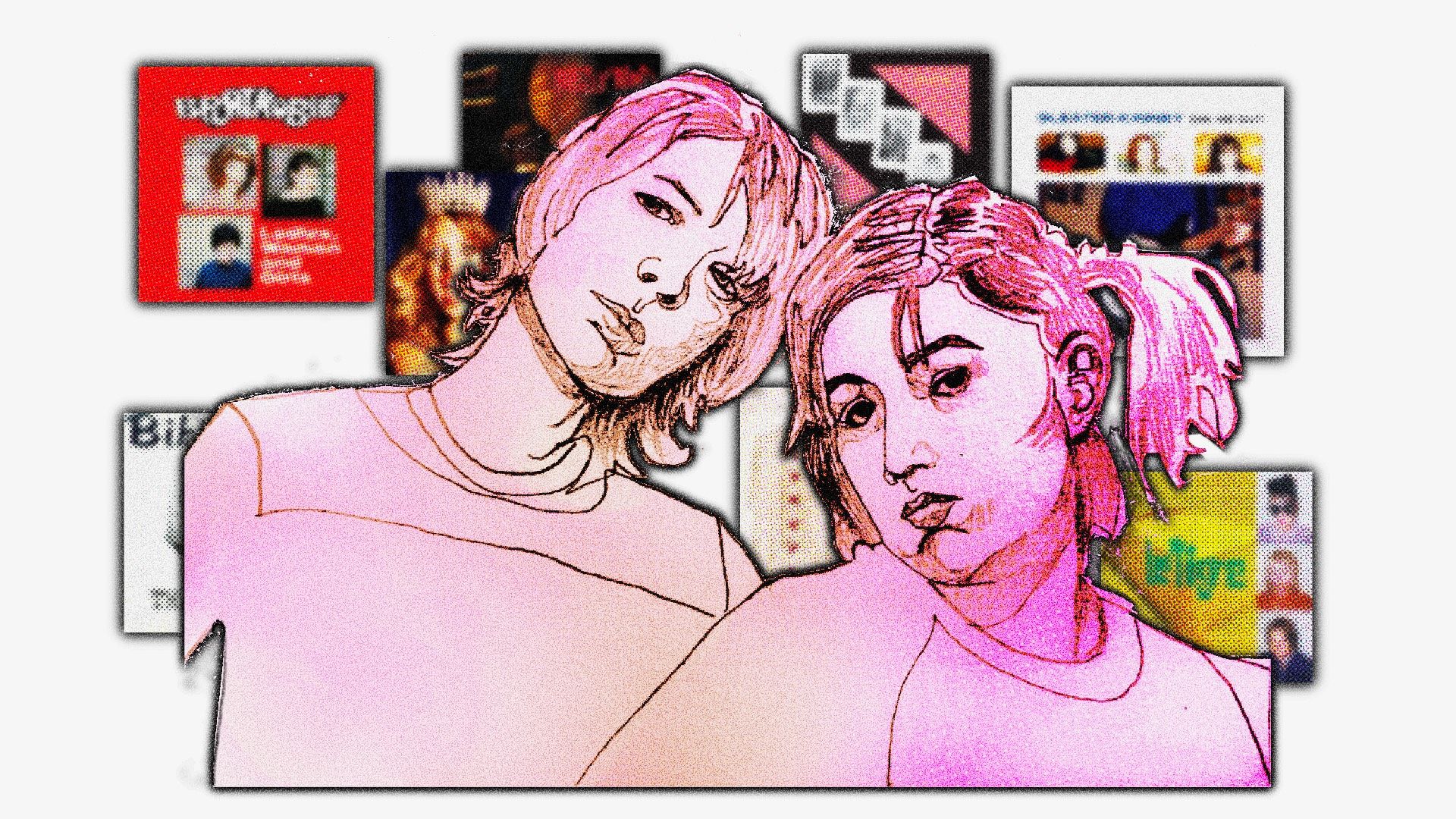
The figurehead of this budding scene was Kathleen Hanna, the frontwoman of bands Bikini Kill and Le Tigre. Her story in the movement began when she met Sonic Youth frontwoman Kim Gordon at a Bikini Kill show in the early 90s.
Hanna was drawn to Gordon’s talents—her skills on the bass and her role as a visual artist, bassist and lead vocalist.
Gordon was an unwavering supporter of Bikini Kill, especially during a time when the band received a lot of criticism for their perceived misandrist attitude.
The two rockstars formed a friendship by rejecting the status quo while upholding feminist principles. Gordon’s androgynous style in a male-dominated field made her stand out, she was more than just a girl in a band.
Her band, Sonic Youth, was founded in New York in 1981. Early on, they gained a following through a growing presence on college and independent radio stations. Their big break came with the release of their fifth studio album, Daydream Nation.
In 1994, Sonic Youth’s music video Bull In The Heather featured Hanna, who is seen dancing. The video helped Bikini Kill gain a mainstream audience and pushed the Riot Grrrl movement to the forefront.
A year later, Bikini Kill opened for Sonic Youth during the band’s Washing Machine tour in North America. That was a crucial point in the rise of the movement. It brought in many new fans.
Despite the scene’s growing support, the backlash continued.
In 1991, Bikini Kill went on an American east coast tour alongside Bratmobile, another band from the scene.
During a New York City tour, members of both bands overheard the audience whispering rumors of Sonic Youth’s Thurston Moore making an appearance, saying it would finally make the newfound subgenre “cool.”
At a later show, Bratmobile member Molly Neuman read the insults out loud before Bikini Kill debuted their new song, Thurston Hearts The Who. The song criticized the “cool kid” trend that said if Sonic Youth liked a band, then all of their fans had to like it.
Despite not falling under the culture’s label, Sonic Youth’s support and influence in the Riot Grrrl scene is undeniable and helped amplify women’s voices throughout music.