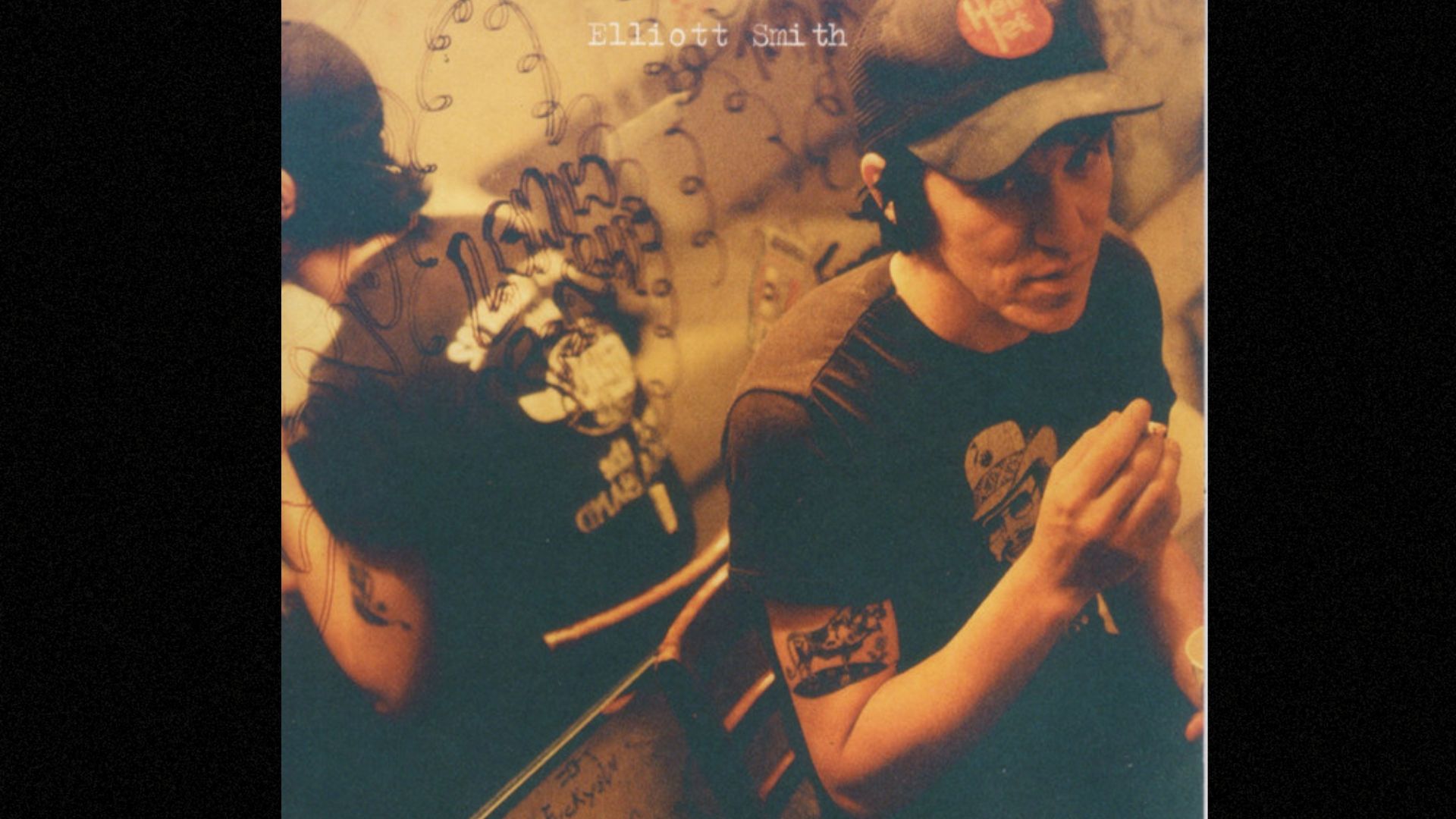
Revisiting Elliott Smith’s Either/Or Album And It’s Impact On Music
The 90s was a thriving time for artists with unconventional sounds, such as Jeff Buckley, Pavement, Liz Phair and Sonic Youth—but none brought a more unique sound than indie-rock musician Elliott Smith.
Known for his layered vocal harmony through double-tracking, Smith’s style is easily distinguishable with his lo-fi melancholic sound, whispery vocals and lyrical depth.
Smith grew up in Omaha, Nebraska in the 1970s. His parents divorced when he was 6 months old, so he spent his early childhood with his mother.
While living with his mom, he developed a love for music, learning to play the piano at 9 before dedicating himself to the guitar.
As a teen, Smith moved to his father’s home in Portland, Oregon, where he met American musician Tony Lash and they formed the new wave band Stranger Than Fiction.
During his time in the band, Smith decided to go by the name Elliott Smith because he thought Steven sounded “bookish” and that Steve was a jock’s name.
Smith and Lash later formed Heatmiser, an indie rock band that lasted from 1991 to 1996.
Unsatisfied with the music from Heatmiser, Smith embarked on a solo career that changed the trajectory of his life and career.
He released several solo albums from 1994 until 2004—a year after his death—but the album that brought him to the mainstream was Either/Or, released in 1997.
The album was inspired by Smith’s love for philosophy and music. It shares a name with a book by Danish theologian and existentialist philosopher Søren Kierkegaard.
On Either/Or, Smith uses double tracking, layering instruments and vocals to mimic the sound of a full band.
That practice has influenced several artists, including Phoebe Bridgers, Billie Eillish and Frank Ocean, who sampled Smith’s song A Fond Farewell in Seigfried, a track from his 2016 album Blonde.
Either/Or explores themes, ranging from Smith’s experiences with failed relationships to his subtle anti-capitalist views. His music is easily digestible for listeners in need of raw, heartfelt lyrics.
On the sixth track, No Name #5, he says: “Got bitten fingernails and a head full of the past, and everybody’s gone at last. A sweet, sweet smile that’s fading fast, ‘cause everybody’s gone at last.”
On Angeles, Smith sings: “Picking up the ticket shows there’s money to be made. Go on, lose the gamble, that’s the history of the trade. Did you add up all the cards left to play zero?”
Acclaimed filmmaker Gus Van Sant was drawn to Smith’s melancholic yet hopeful sound, using several of his songs in his Oscar-winning movie Good Will Hunting.
Van Sant also commissioned one of Smith’s songs for the film, Miss Misery. That exposure skyrocketed Smith to stardom, and gave him international notoriety.
While Either/Or is best known for its soft, hazy instruments and airy vocals filled with moments of sorrow, it ends on a different tone with Say Yes—an optimistic love ballad that Smith created in less than five minutes.