Taylor Swift’s The Life Of A Showgirl Gets Mixed Reviews
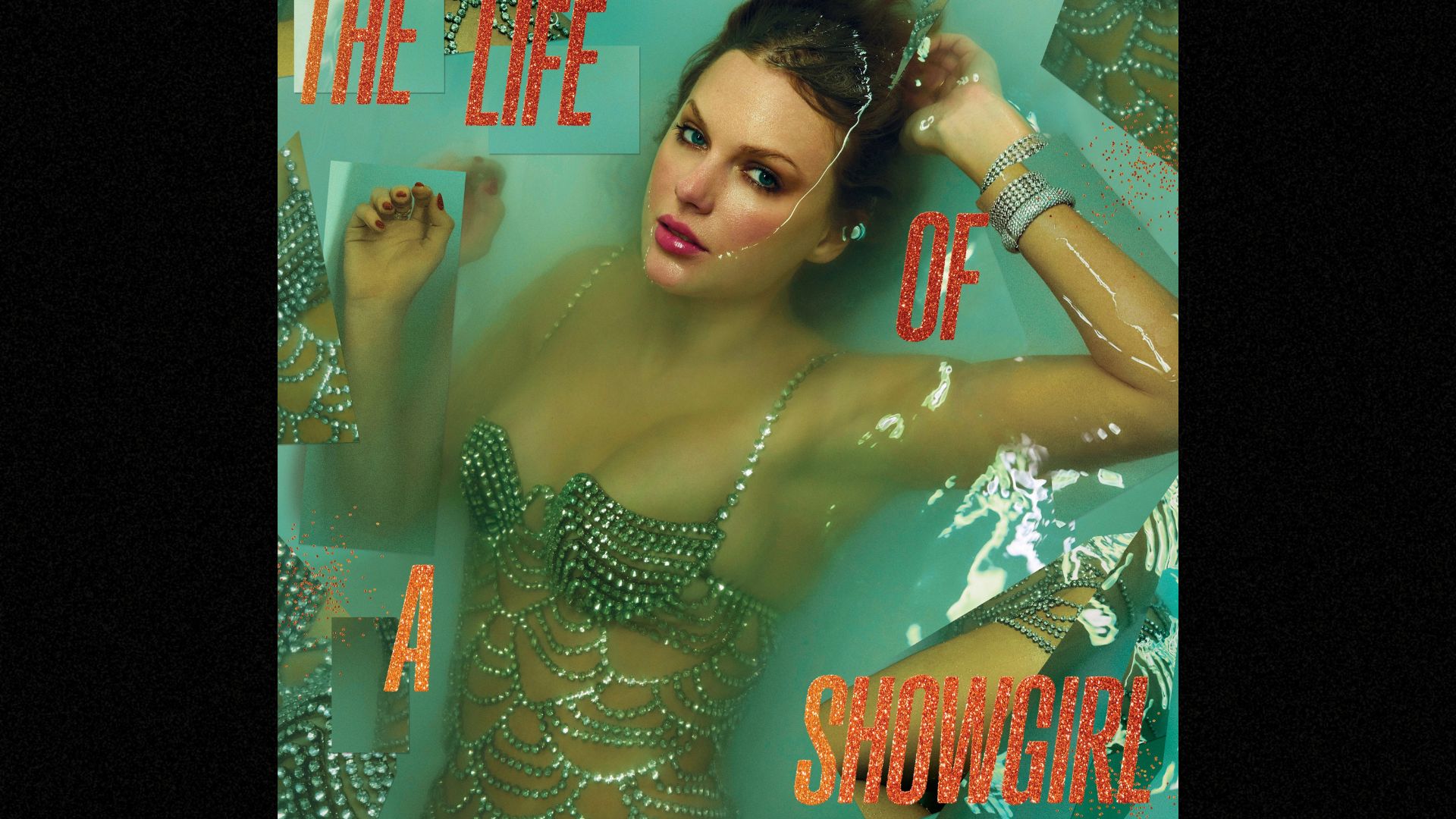
Taylor Swift released her 12th studio album, The Life of a Showgirl, on Oct. 3. It features 12 songs with genres ranging from pop to soft rock.
It was made at the peak of Swift’s popularity and transparency with the public, hence the title. Key influences were The Eras Tour in 2024 and her engagement to National Football League player Travis Kelce.
The project has received mixed reviews. Fans and critics believe the album is a solid demonstration of Swift’s work but lacks emotional depth and lyrical complexity compared to previous albums like folklore or evermore.
The lack of complex lyricism could stem from post-tour exhaustion but it could be argued that it was an intended feature of the album.
Juliana Marin, a West Campus student and a long-time Swift listener, called the album disappointing and underwhelming.
In many ways, that perspective is important. The success of The Eras Tour stood as a statement of Swift’s influence, earning more than $2 billion. So naturally, her next album was expected to be even better.
Despite the criticism, The Life Of A Showgirl has a handful of great songs. One standout is The Fate of Ophelia. Originally released as a single, it draws inspiration from the character by the same name from Shakespeare’s Hamlet.
In the original play, Ophelia’s father dies at the hands of Hamlet. That drives her into madness, leading toward a tragic drowning death.
The song’s chorus goes: “All that time I sat alone in my tower, you were just honing your powers, now I can see it all, late one night you dug me out of my grave and saved my heart from the fate of Ophelia.”
Swift uses Ophelia as a metaphor for her fame and her disillusionment with love, explaining how Kelce broke her free from the madness.
The track Opalite uses the light-colored stone as a metaphor for clarity in the face of adversity.
Lyrics like: “You had to make your own sunshine,” explain that the relationship with Kelce had its hurdles, but “now the sky is opalite.”
Kendall Campus student Ana Rodriguez noted that “in a more positive light, [she] liked how [the album] was more pop, instead of sad crying music… you could white girl dance to a lot of these, just bounce and have fun.”
The project is an odd chapter in Swift’s discography; it breaks her established norms. It’s not the most lyrically complex nor the most emotionally charged.
Many listeners may have wanted a more poetic approach, but The Life of a Showgirl may represent a transition in Swift’s music toward a lighter tone after a plethora of personal hardships.