Xania Monet Sparks Debate Over AI Usage In The Music Industry
As artificial intelligence slithers into creative spaces, debate has sparked as to whether content created with the software should be treated with the same respect as that made by traditional artists.
The discussions have been mostly one-sided, ending with a resounding “no” but that hasn’t stopped studios from pushing to incorporate AI-generated music into the mainstream.
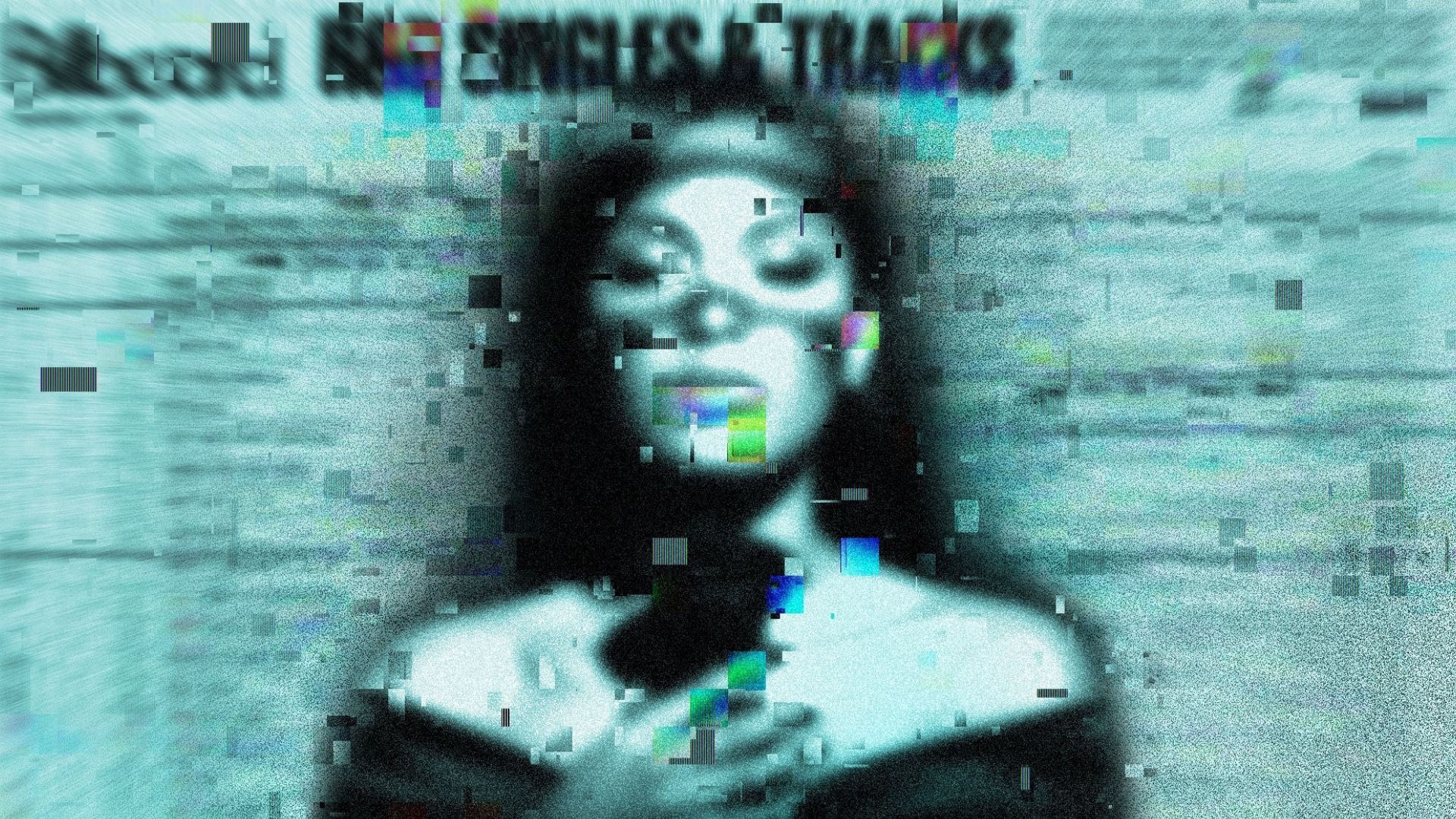
AI avatar Xania Monet and her creator, Telisha Jones, recently signed a $3 million record deal with Hallwood Media. Her debut song, How Was I Supposed To Know?, reached No. 1 on the Billboard R&B Digital Songs Sales chart.
For the sake of giving it a fair shot, I listened to a couple of Monet’s releases. How Was I Supposed To Know? is a heartstring pulling ballad about falling for doomed relationships. It has more than six million views on YouTube.
Jones claims that she input poems about her own life into Suno—a music-generating app powered by AI—to create Xania. The music resembles Jazmine Sullivan or Tamar Braxton in style.
That isn’t to say that imitation is inherently bad; lots of artists get inspired by others around them. Most would even find homages to their work endearing.
But this feels different with less protection for an artists’ copyright. Jones is facing some backlash from musicians like Kehlani and SZA.
Kehlani said to fans in a since-deleted TikTok: “It can make the entire song, it can sing the entire song, it can make the entire beat, and they don’t have to credit anyone.”
Suno also faces its own troubles. It has been hit with a mass copyright infringement lawsuit from studios like Sony Music Group and Universal Music Group.
There could be a use of AI as a tool that eases the workload of artists without undercutting the actual work it takes to create original music. But that doesn’t seem to be what Monet or other AI-generated artists are doing.
This iteration, a chimera with its ever-changing voice and chopped and screwed visuals, just feels like a studio executive’s dream of having complete creative control over a money-making entity they don’t have to pay.
A study conducted by the International Confederation of Societies of Authors and Composers, which represents more than four million artists, found that creators in musical and audiovisual mediums are set to be at risk of losing between 21 to 24 % of their revenue, respectively, by 2028 because of AI.
Only time will tell if AI-generated content is a passing trend or if it’s here to stay.