

When the 43rd annual Miami Film Festival took over the city in April, more than 160 films were showcased across various theaters and locations.
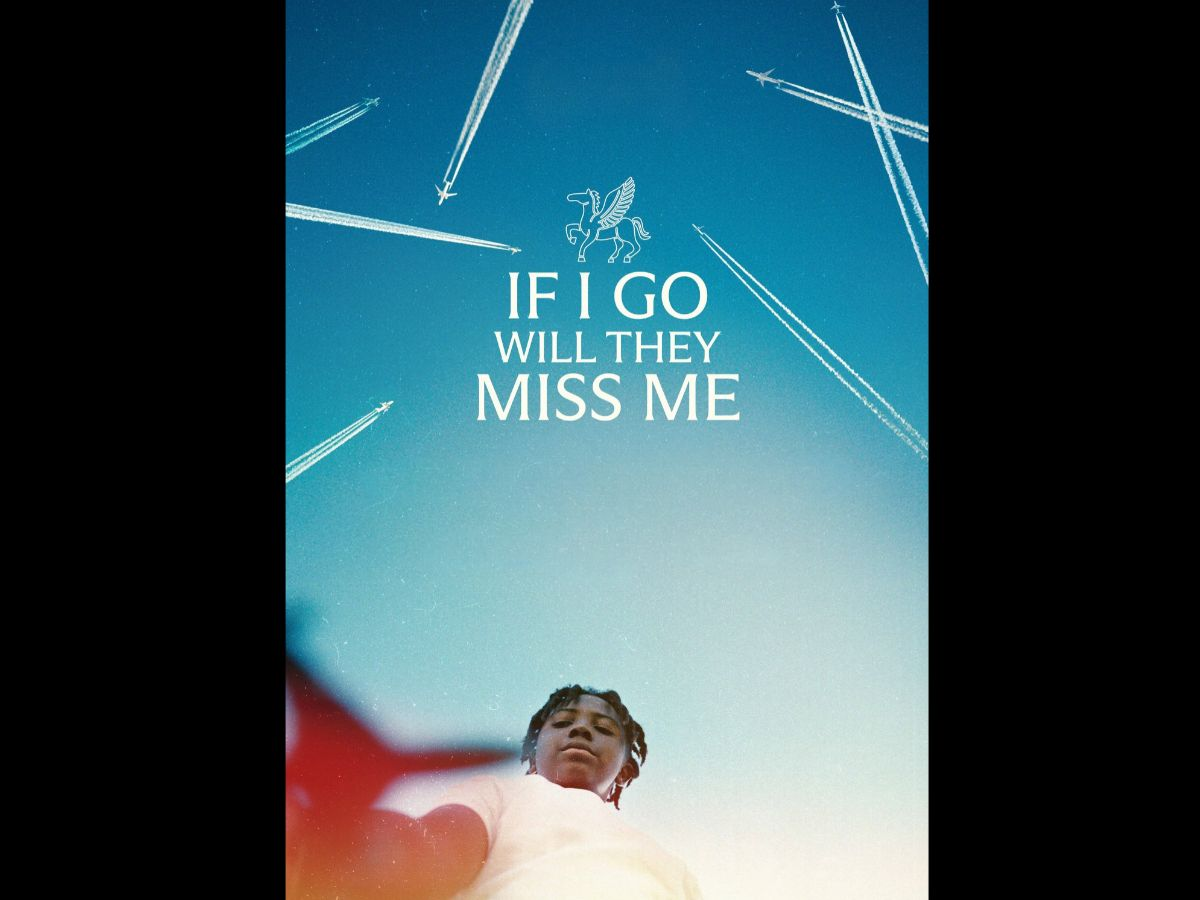
One of them—If I Go Will They Miss Me—featured an actress, Danielle Brooks, who won the MFF’s Art of Light award, for her role in the movie.
It was one of a bevy of awards the film has won at festivals from Palm Springs to Chicago.
On Sept. 18, the film was released to nationwide audiences.
Directed by Walter Thompson-Hernández, it offers an intensely personal depiction of a Black father and his son.
Set in Los Angeles, the film follows 12-year-old Lil Ant as he seeks to reconnect with his father, Big Ant, who’s been in and out of prison.
In his father’s absence, Lil Ant has developed two obsessions—flying and Greek Mythology.
As his idealization of his father grows, so does his imagination. In his mind, his family represents the Greek pantheon, with his father serving as the mighty Poseidon.
Big Ant’s discomfort with his son’s portrayal of him festers when he learns that his son has mysterious visions of children running around, pretending to be airplanes—a vision that he’s also had since he was 12.
As he witnesses himself in his son, Big Ant faces the unsettling realization of just how similar they are. But his troubled past and unreliability as a father causes him to internalize his insecurities and push his son away.
The film rocks back and forth between the idyllic hope of a child to the pessimism his father has harbored since his difficult childhood.
Between the two perspectives, the film ranges from impressionistic and visionary, to being a brutal and heavy presentation of what reality can hold.
At its core are themes of generational trauma and the loss of childhood through its portrayals of Black fatherhood, childhood poverty and broken homes.
The acting makes you feel the story and the characters struggle deeply.
Bodhi Dell’s casting of Lil Ant is a perfect showcase of the wandering imagination of a child impacted by the strain of underlying familial grief.
J. Alphonse Nicholson, as Big Ant, is an emotional powerhouse who conveys the cycle of hopelessness and internal conflict in a world refusing to change.
Brooks as Lozita, Lil Ant’s mother, is the backbone that binds the family together, bridging a father and son closer. She anchors the story’s emotional weight.
Thompson-Hernández and director of photography, Michael Cambio Fernandez, frame each shot as if it were its own living portrait.
As the audience, you never feel the need to judge the characters. The cinematography makes a clear effort to be compassionate toward its subjects, showing the characters as deeply flawed but fundamentally human.
The 41-year-old Thompson-Hernández grew up in a very similar environment to Lil Ant, so the story is drawn from his childhood and the lives of two people in the neighborhood where the movie was shot.
Most of the background characters are people who live in the community. That touch gives the film authenticity.
Thompson-Hernández carries that realism through until the end with a montage of portraits of the residents who live in the neighborhood, a quiet reminder that life continues even after the cameras stop rolling.